

Hey there! As a supplier of the 1000 Gpd Ro Membrane, I know how crucial it is to keep your membrane in top - notch condition. A clean 1000 Gpd Ro Membrane not only ensures high - quality water output but also extends the lifespan of your entire RO system. So, let's dive into how you can clean your 1000 Gpd Ro Membrane effectively.
Why Cleaning Your 1000 Gpd Ro Membrane is Important
First off, why bother cleaning the membrane? Well, over time, various contaminants like minerals, sediment, and organic matter can build up on the membrane surface. This buildup can lead to reduced water flow, lower water quality, and increased energy consumption. If left uncleaned, it can even cause irreversible damage to the membrane, and you'll end up having to replace it much sooner than expected.
Signs That Your Membrane Needs Cleaning
Before we get into the cleaning process, you need to know when your 1000 Gpd Ro Membrane needs a good scrub. Here are some tell - tale signs:
- Reduced water production: If you notice that your RO system isn't producing as much water as it used to, it could be a sign of a clogged membrane.
- Poor water quality: If the water coming out of your RO system tastes bad, has an odd odor, or contains visible particles, it might be time to clean the membrane.
- Increased pressure: A rise in the operating pressure of your RO system indicates that the membrane is struggling to let water through, which is often due to fouling.
What You'll Need for Cleaning
To clean your 1000 Gpd Ro Membrane, you'll need the following supplies:
- Cleaning chemicals: There are specific cleaning agents designed for RO membranes. Make sure to choose one that is compatible with your membrane material.
- A cleaning tank: A large container where you can soak the membrane during the cleaning process.
- A pump: This is used to circulate the cleaning solution through the membrane.
- Hoses: To connect the pump to the membrane and the cleaning tank.
- Safety gear: Gloves and goggles to protect yourself from the cleaning chemicals.
The Cleaning Process
Step 1: Shut Down the RO System
Before you start cleaning, turn off the RO system and disconnect it from the power source. This is crucial for your safety and to prevent any damage to the system.
Step 2: Remove the Membrane
Carefully remove the 1000 Gpd Ro Membrane from the RO system. Make sure to follow the manufacturer's instructions to avoid damaging the membrane or the system.
Step 3: Prepare the Cleaning Solution
Mix the cleaning chemical with water in the cleaning tank according to the manufacturer's instructions. The concentration of the cleaning solution is very important. Too weak, and it won't clean effectively; too strong, and it can damage the membrane.
Step 4: Circulate the Cleaning Solution
Connect the pump to the membrane and the cleaning tank using the hoses. Start the pump and let the cleaning solution circulate through the membrane for about 30 - 60 minutes. This helps to loosen and remove the contaminants from the membrane surface.
Step 5: Soak the Membrane
After circulating the cleaning solution, turn off the pump and let the membrane soak in the cleaning solution for another 1 - 2 hours. This allows the chemicals to further break down the stubborn contaminants.
Step 6: Rinse the Membrane
Once the soaking time is up, drain the cleaning solution from the tank and refill it with clean water. Circulate the clean water through the membrane for at least 30 minutes to remove any remaining cleaning chemicals.
Step 7: Reinstall the Membrane
After rinsing, carefully reinstall the 1000 Gpd Ro Membrane back into the RO system. Make sure it is properly seated and all connections are secure.
Step 8: Restart the RO System
Once the membrane is reinstalled, turn on the RO system and let it run for a few minutes to flush out any remaining air or debris. Check the water production and quality to make sure everything is working properly.
Tips for Maintaining a Clean Membrane
- Regular pre - filtration: Use high - quality pre - filters to remove large particles and sediment before the water reaches the membrane. This can significantly reduce the amount of fouling on the membrane.
- Monitor water quality: Regularly test the water quality to detect any early signs of membrane fouling.
- Follow a cleaning schedule: Even if your membrane seems to be working fine, it's a good idea to clean it regularly according to the manufacturer's recommendations.
Comparing with Other Membranes
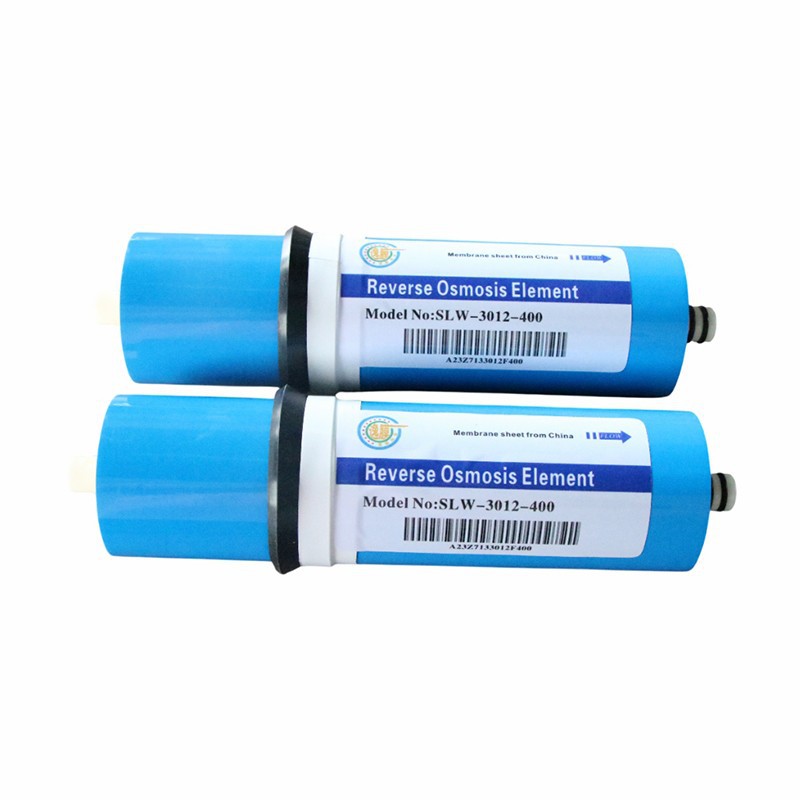
If you're in the market for a RO membrane, you might be considering other options like the 400GPD RO Membrane or the 800 Gpd Membrane. The 1000 Gpd Ro Membrane is a great choice if you need a high - volume water production. It's suitable for commercial applications or large households with high water demands. The 400GPD RO Membrane, on the other hand, is more suitable for small - scale applications, like a single - family home. The 800 Gpd Membrane is a good middle - ground option for medium - sized businesses or larger households.

Conclusion
Cleaning your 1000 Gpd Ro Membrane is not a complicated process, but it does require some time and attention. By following the steps outlined above and taking proper care of your membrane, you can ensure that it continues to provide high - quality water for years to come.
If you're interested in purchasing a 1000 Gpd Ro Membrane or have any questions about membrane cleaning and maintenance, feel free to reach out. We're here to help you make the best decision for your water treatment needs. You can check out our 1000 Gpd Ro Membrane on our website for more details.
References
- RO Membrane Cleaning Guide by Manufacturer X
- Water Treatment Handbook by Author Y
- Online Resources on RO System Maintenance