

As a supplier of reverse osmosis (RO) systems, I understand the significance of maximizing the recovery rate of these systems. A higher recovery rate not only enhances the efficiency of water treatment but also reduces waste, making it a crucial aspect for both economic and environmental reasons. In this blog, I'll share some practical strategies to increase the recovery rate of an RO system.
Understanding Reverse Osmosis and Recovery Rate
Before delving into the ways to increase the recovery rate, it's essential to understand what reverse osmosis is and how recovery rate is defined. Reverse osmosis is a water purification process that uses a semi - permeable membrane to remove ions, molecules, and larger particles from water. The recovery rate of an RO system is the percentage of the feed water that is converted into product water. For example, if an RO system has a feed flow of 100 liters per hour and produces 70 liters per hour of product water, the recovery rate is 70%.
Optimize Pretreatment
One of the most critical factors affecting the recovery rate of an RO system is proper pretreatment. The feed water should be pre - treated to remove suspended solids, colloids, and other contaminants that can foul the RO membrane.
- Filtration: Install multi - media filters to remove larger particles and sediment from the feed water. These filters typically consist of layers of sand, gravel, and anthracite, which trap particles as the water passes through. Additionally, activated carbon filters can be used to remove organic compounds, chlorine, and other chemicals that can damage the RO membrane.
- Scale Inhibitors: If the feed water contains high levels of calcium, magnesium, and other minerals that can form scale on the membrane surface, scale inhibitors should be added. These chemicals prevent the precipitation of scale - forming salts, allowing the RO system to operate at higher recovery rates without membrane fouling.
Select the Right RO Membrane
The choice of RO membrane plays a significant role in determining the recovery rate. Different membranes have different characteristics, such as salt rejection, flux, and fouling resistance.
- High - Flux Membranes: High - flux membranes can allow more water to pass through the membrane at a given pressure, which can potentially increase the recovery rate. However, they may have slightly lower salt rejection compared to standard membranes. When selecting a high - flux membrane, it's important to consider the quality requirements of the product water. For applications where high salt rejection is not critical, such as in some industrial processes, high - flux membranes can be a good option. You can explore our Ro Membrane 1000 Lph which offers a balance between flux and performance.
- Fouling - Resistant Membranes: In applications where the feed water is prone to fouling, fouling - resistant membranes can be used. These membranes have a special surface coating or structure that reduces the adhesion of contaminants, allowing the system to operate at higher recovery rates without frequent cleaning.
Adjust Operating Conditions
The operating conditions of an RO system, such as pressure, temperature, and flow rate, can also be adjusted to increase the recovery rate.

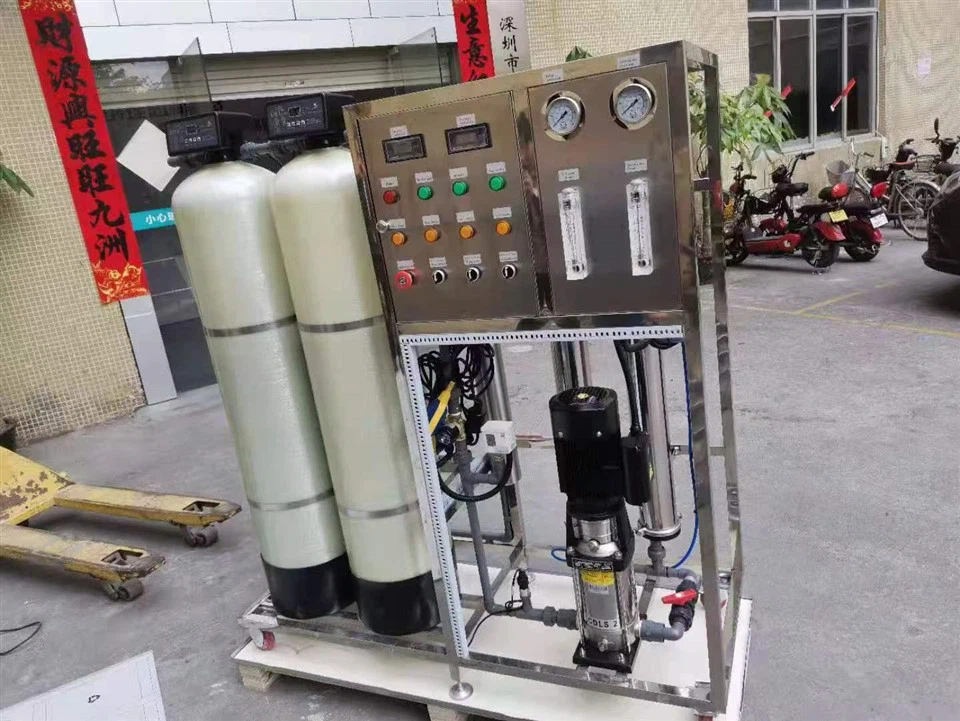
- Pressure: Increasing the operating pressure can force more water through the membrane, thereby increasing the recovery rate. However, there is a limit to how much pressure can be applied, as excessive pressure can damage the membrane. It's important to find the optimal pressure for the specific RO system and feed water conditions.
- Temperature: The performance of an RO membrane is affected by temperature. Generally, the flux of the membrane increases with increasing temperature. However, high temperatures can also reduce the lifespan of the membrane and increase the risk of membrane degradation. Therefore, the temperature of the feed water should be maintained within the recommended range for the membrane.
- Flow Rate: Adjusting the feed flow rate and the concentrate flow rate can also impact the recovery rate. By reducing the concentrate flow rate while maintaining the feed flow rate, the recovery rate can be increased. However, this should be done carefully to avoid exceeding the recommended limit of the membrane's maximum recovery rate, which can lead to membrane fouling.
System Design and Configuration
The design and configuration of the RO system can also be optimized to increase the recovery rate.
- Multi - Stage Systems: In a multi - stage RO system, the concentrate from the first stage is fed into the second stage, and so on. This allows for a higher overall recovery rate compared to a single - stage system. For example, a two - stage RO system can achieve a recovery rate of up to 80% or more, depending on the feed water quality and system design.
- Recycle the Concentrate: In some cases, a portion of the concentrate can be recycled back to the feed water. This reduces the amount of waste water and increases the overall recovery rate of the system. However, it's important to ensure that the recycled concentrate does not contain high levels of contaminants that can affect the performance of the RO system.
Monitor and Maintain the System
Regular monitoring and maintenance are essential for ensuring the long - term performance and high recovery rate of an RO system.
- Performance Monitoring: Install sensors to monitor key parameters such as feed water quality, product water quality, pressure, flow rate, and temperature. Analyze the data regularly to detect any changes in system performance and take corrective actions promptly.
- Membrane Cleaning: Periodically clean the RO membrane to remove any fouling or scaling that may have occurred. There are different cleaning methods available, such as chemical cleaning and physical cleaning. The choice of cleaning method depends on the type of fouling and the membrane material.
Case Studies
Let's take a look at some real - world examples of how these strategies have been applied to increase the recovery rate of RO systems.
- Industrial Application: A manufacturing plant was using a single - stage RO system with a recovery rate of only 50%. After optimizing the pretreatment process, installing a high - flux membrane, and adjusting the operating conditions, the recovery rate was increased to 70%. This not only reduced the water consumption but also saved on waste water disposal costs.
- Municipal Water Treatment: A municipal water treatment plant upgraded its RO system to a two - stage system and implemented a concentrate recycling system. As a result, the recovery rate increased from 75% to 85%, providing more clean water for the community while reducing the environmental impact.
Conclusion
Increasing the recovery rate of a reverse osmosis RO system requires a comprehensive approach that includes optimizing pretreatment, selecting the right RO membrane, adjusting operating conditions, designing the system properly, and regular monitoring and maintenance. By implementing these strategies, you can enhance the efficiency of your RO system, reduce water waste, and save on operating costs.
If you are interested in improving the recovery rate of your RO system or exploring our range of 500LPH RO System and 250LPH Reverse Osmosis RO System, please feel free to contact us for a detailed consultation and purchase negotiation. We are committed to providing high - quality RO systems and professional technical support to meet your specific needs.
References
- Cheryan, M. (1998). Ultrafiltration and Microfiltration Handbook. Technomic Publishing.
- Greenlee, L. F., Lawler, D. F., Freeman, B. D., Marrot, B., & Moulin, P. (2009). Reverse osmosis desalination: Water sources, technology, and today's challenges. Water Research, 43(9), 2317 - 2348.
- Munz, C., & Rehn, D. (2004). Reverse Osmosis Systems. Springer.